Artificial Intelligence, or AI as we commonly call it, is no longer just a futuristic concept—it’s something that touches almost every part of our lives today. From the way we shop online to how we manage our work, AI has become a quiet but powerful presence in our daily routines. But what exactly is AI, and how did it become such a transformative force?
Mt Kilimanjaro—affectionately known as Kili—is the world’s tallest free-standing mountain, rising proudly from the Tanzanian plains. Tanzania itself is a stunning country with a tapestry of history and culture that’s well worth exploring. Kili tops out at a cool 5,895 metres above sea level, making it the highest peak I’ve ever attempted—so yes, some preparation (and maybe a little bravery) was definitely required.
This blog is my attempt to walk you through my journey of climbing and ultimately summiting Kili. But fair warning: no collection of words can truly capture what this mountain demands of you mentally, physically, and emotionally. Still, consider this your backstage pass to a beautiful, brutal, unforgettable adventure.
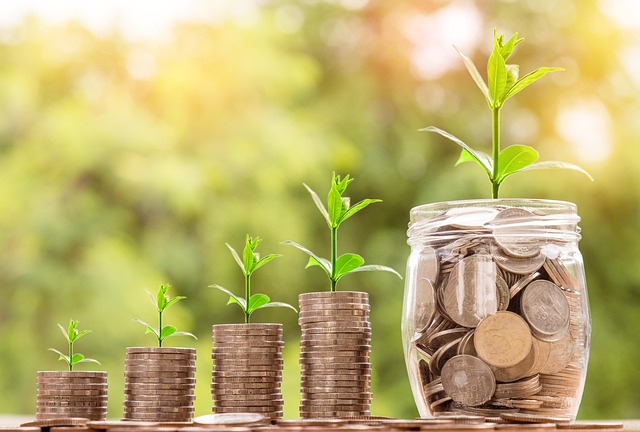
If you’re working full-time and earning decent money, chances are you have asked yourself this question at least once:
“I’m making good money… so why don’t I feel financially ahead?” OR “I have this cash sitting and do not know where to invest”
You’re not alone. Many people on solid household incomes still feel stuck when it comes to investing. Not because they don’t earn enough—but because they’re not sure where their money should actually go. The other bit is trust. Who do you start to trust? I’ve had one too many people suggest “Get Rich Quick” schemes and I can tell you if its too good to be true, it mostly isn’t (atleast when it comes to money).
I had written a blog several years ago when I was in India that was a result of a similar question I got from others around me – where do I invest? At that time I was early in my career however with about 10-12 years of investing I had learnt my share of lessons – good and bad. I had trusted advisors and friends when it came to investing without being able to do my own analysis. Hence I blamed them for a while. However you’ve heard the term – “Investment is subject to market risk, please read the offer document carefully before investing”. There is always a degree of risk attached to every investment. I suggest if you haven’t read the earlier blog, go ahead and read it. My grammar and vocabulary may have improved a little however the content is the most important thing.
One of the brilliant gifts this world gives us is the ability to explore the land. In today’s fast-paced and digitally dominated world, where screens have become our constant companions, it’s more important than ever to reconnect with the great outdoors. Hiking in nature is not just a leisurely activity; it’s a powerful tool for nurturing both mental and physical health, especially for today’s youth. I use this blog to capture and explore the myriad benefits of hiking in nature and why it should be at the top of every person’s to-do list.
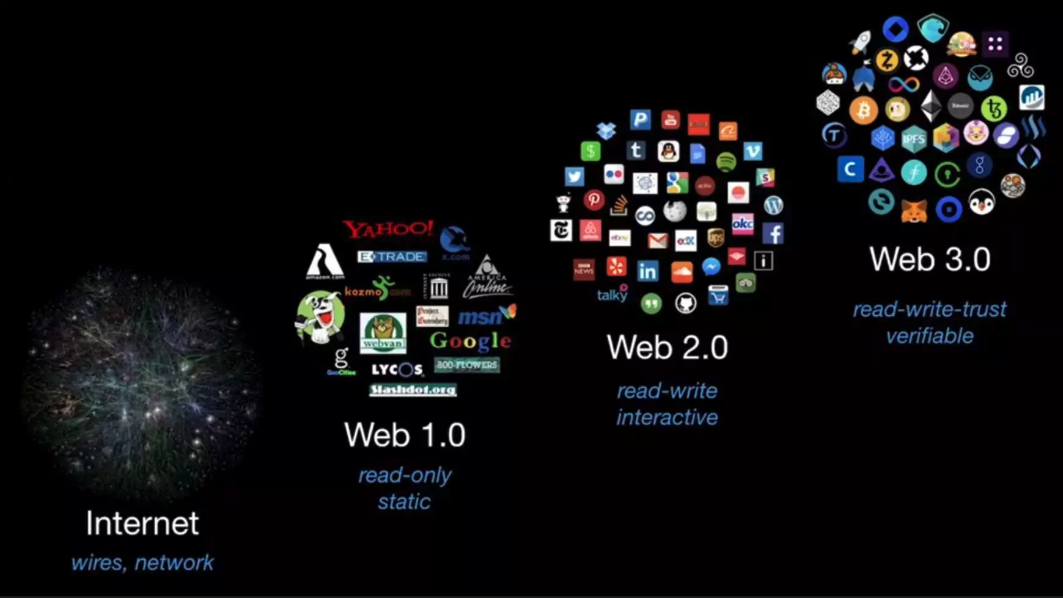
All this while I wasn’t really aware we were on v2.0 of the Internet or the WWW (World Wide Web) until v3.0 came around. And while I really thought its just some protocol and/or a few standards that will have been put into place to pave the way for the new tech i.e faster transmission, better security; Web 3.0 is more than that. It’s all to do with Decentralisation of the Internet.
Up until now it’s always been a Facebook (Meta), Google (Alphabet) or Microsoft behind most of the social, work or communication apps that we use on a daily basis. However by now most of us would be aware of how these applications and companies (mis)use our data and have been selling them to third party organisations or use their ad features and content recommendation algorithms to show us and push us in a specific direction based on the sponsors requirements.
This topic is in itself a blog of its own and I will write one soon however to summarise this has also been a long standing reason to refactor, distribute and decentralise the internet.
The healthcare industry is witnessing a monumental shift, thanks to the transformative power of blockchain technology. In recent years, blockchain has emerged as a game-changer, enabling secure, transparent, and decentralized data management. By harnessing the potential of blockchain, the medical field is experiencing revolutionary advancements that promise to enhance patient care, data security, and overall efficiency. In this blog, we shall delve into how the implementation of blockchain in the medical field is revolutionizing healthcare as we know it.
In our rapidly digitizing world, the proliferation of online services and transactions has made digital identity an integral part of our daily lives. However, digital identity management faces several challenges, including security breaches, data manipulation, and lack of user control. Blockchain technology offers a transformative solution to these problems, revolutionizing digital identity management. This blog explores how blockchain technology is evolving to tackle the problems with digital identity.
Today’s society is on its way to embrace decentralised solutions for human interaction. As we can observe there is a need to develop complex models and frameworks to evaluate the issues facing contemporary societies. The study and application of crypto-economic principles will help in building and preparing the new world to adopt decentralised solutions and evolve the cryptocurrency ecosystem.
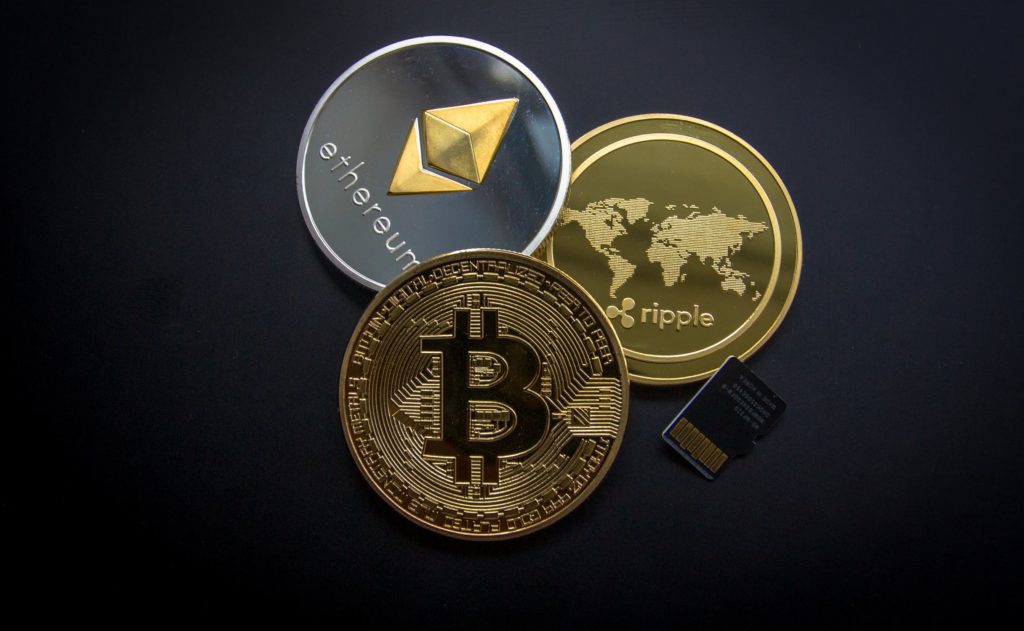
The birth of Bitcoin over a decade ago sparked a revolution in the digital world and as of 2019 the jump in the number of cryptocurrencies has been about 2x (jumping from 1,600 to 3,000 worldwide). As of late 2020, countries such as Ukraine, Venezuela and Columbia are among the few that are starting to accept crypto as legal digital currency for daily trade by introducing regulations and enabling businesses and people – it’s happening.
Trust is one of the most fundamental concepts of any economy. With the world moving towards the use of Blockchains across multiple sectors including digital money, it is imperative that we redefine our understanding of Trust.
Here is a link to my academic whitepaper on “Evolution of Trust in Cryptoeconomies” where I discuss Blockchain, and how trust plays an important role in traditional economics and how trust can be and should be replaced with Mathematical evidences.
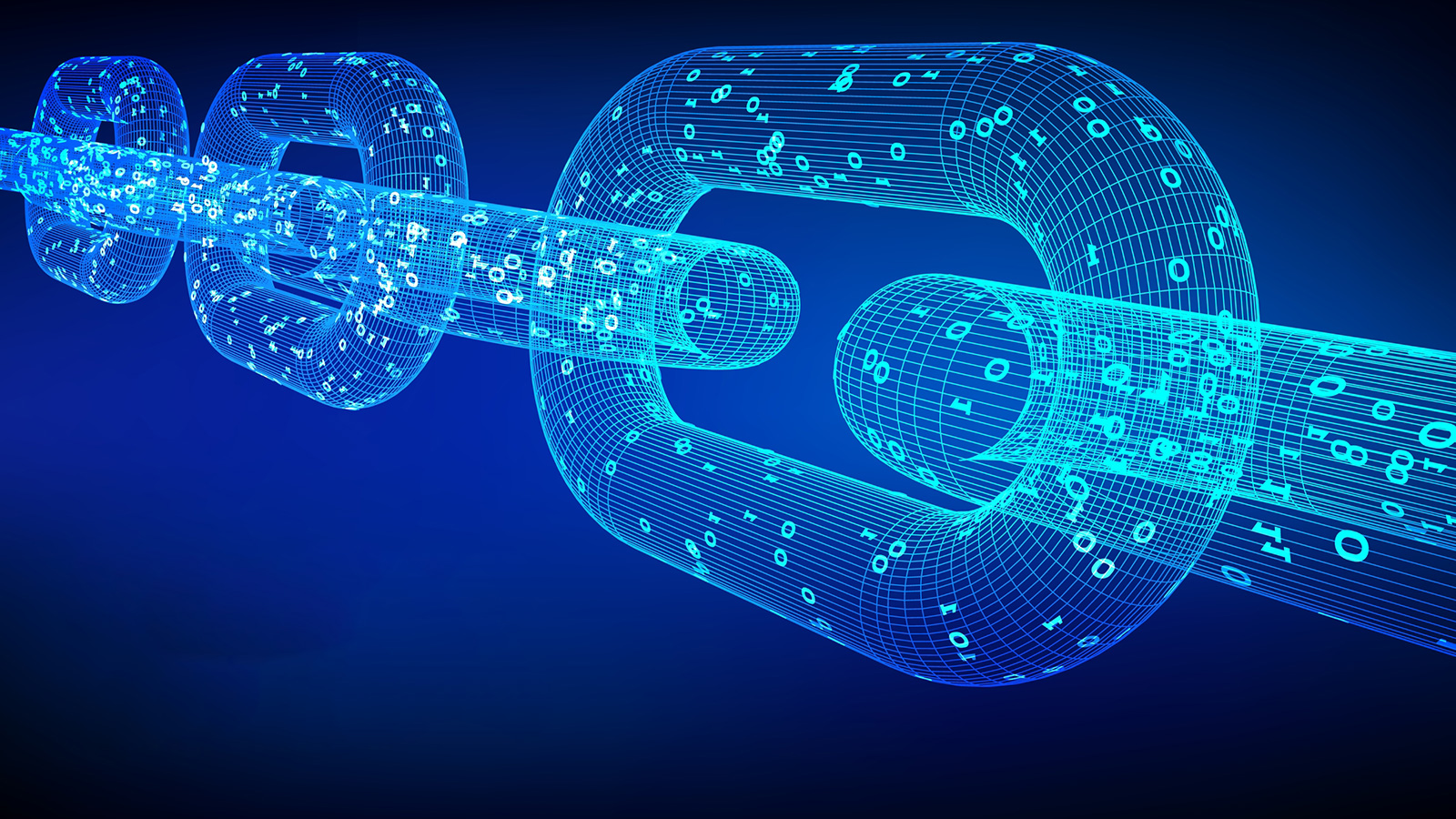
By this time I’m sure most of you all must have heard of the buzzword “Blockchain” and “Cryptos” and some random advice on how someone’s friend of a friend made like thousands or millions of dollars. “Crypto” or “Cryptocurrency” deserves another blog and hence I’ll leave it out of this one and introduce you to all the might and glory being brought by Blockchain.
I’m very excited about this subject only because I am currently (as of Oct 2021) pursuing a Masters program in Blockchain strategy at RMIT University in Melbourne. Its a relatively new and developing field (although been around for more than a decade) and as it touches technology, finance, economics, law and broadly several other areas, it leads me to believe that this is a technology is worth learning and applying based on viability in areas of interest.
Used to monitor number of Google Analytics server requests when using Google Tag Manager
1 minute
_gac_
Contains information related to marketing campaigns of the user. These are shared with Google AdWords / Google Ads when the Google Ads and Google Analytics accounts are linked together.
90 days
__utma
ID used to identify users and sessions
2 years after last activity
__utmt
Used to monitor number of Google Analytics server requests
10 minutes
__utmb
Used to distinguish new sessions and visits. This cookie is set when the GA.js javascript library is loaded and there is no existing __utmb cookie. The cookie is updated every time data is sent to the Google Analytics server.
30 minutes after last activity
__utmc
Used only with old Urchin versions of Google Analytics and not with GA.js. Was used to distinguish between new sessions and visits at the end of a session.
End of session (browser)
__utmz
Contains information about the traffic source or campaign that directed user to the website. The cookie is set when the GA.js javascript is loaded and updated when data is sent to the Google Anaytics server
6 months after last activity
__utmv
Contains custom information set by the web developer via the _setCustomVar method in Google Analytics. This cookie is updated every time new data is sent to the Google Analytics server.
2 years after last activity
__utmx
Used to determine whether a user is included in an A / B or Multivariate test.
18 months
_ga
ID used to identify users
2 years
_gali
Used by Google Analytics to determine which links on a page are being clicked
30 seconds
_ga_
ID used to identify users
2 years
_gid
ID used to identify users for 24 hours after last activity